
Vascular Conditions
Vascular conditions affect the blood vessels in the body, including veins, arteries, and capillaries. When these vessels are not working properly, it can lead to pain, discomfort, and changes in circulation. Our team provides expert care for individuals with vascular problems, helping them manage pain and improve quality of life. Contact us today to schedule your appointment!
Varicose Veins
One of the most common vascular conditions is varicose veins. These are enlarged, twisted veins that often appear on the legs and feet. They occur when the valves inside the veins become weak and do not move blood back toward the heart as they should.
This causes blood to pool in the veins, making them bulge and become more visible on the skin’s surface.
Varicose veins can affect both appearance and comfort. Some people may notice their legs feel heavy or achy, especially after standing for long periods. Others may experience swelling, burning, or itching around the affected veins.
While varicose veins are often seen as a cosmetic concern, they can also be linked to other circulation problems that should not be ignored.
Request An Appointment
Causes of Vascular Conditions
There are several factors that can increase the likelihood of developing vascular conditions, particularly varicose veins, including:
- Age
- Genetics
- Lifestyle
- Pregnancy
- Obesity
Any Questions About Vascular Conditions?
Signs and Symptoms of Vascular Conditions
Vascular conditions may cause different signs depending on the type and severity. In the case of varicose veins, symptoms often include:
- Bulging, twisted veins that can be seen under the skin
- Aching or throbbing in the legs
- Swelling around the ankles or calves
- Skin changes, such as discoloration or dryness
- Restless or heavy legs after long activity
Treatment and Management of Vascular Conditions
At The Family Pain and Wellness, our goal is to provide relief from the pain and discomfort linked to vascular health. Treatments may include lifestyle guidance, such as improving circulation through exercise or elevating the legs.
Medical procedures may also be suggested for more advanced cases, such as minimally invasive techniques to close or remove damaged veins.
Our team works closely with each patient to develop a personalized plan. The focus is not only on treating the visible veins but also on improving overall vein health and reducing the risk of future problems.
What People Say
~ Michael joseph
~ Yvonne Johnson
We highly recommend!
~ Vivian Kotora
Frequently Asked Questions
Are Varicose Veins Dangerous?
Varicose veins are usually not life-threatening, but they can cause ongoing discomfort and may lead to other circulation issues if left untreated. It is always best to have them checked by a healthcare professional.
How Can Vascular Conditions Be Treated?
Treatment depends on the severity of the condition. Options may include lifestyle adjustments, compression therapy, or minimally invasive procedures to improve blood flow and reduce discomfort.
Will My Varicose Veins Come Back After Treatment?
Treating a varicose vein successfully closes that specific vein. However, the underlying tendency to develop vein issues can remain. Following a healthy lifestyle and wearing compression socks if recommended can help maintain your results and support your vascular health long-term.
Are the Treatments for Varicose Veins Painful?
Most modern treatments are less invasive and well-tolerated. Patients often report feeling only minor sensations, like a tiny pinch or a feeling of warmth. We use local anesthesia to keep you comfortable throughout the procedure.
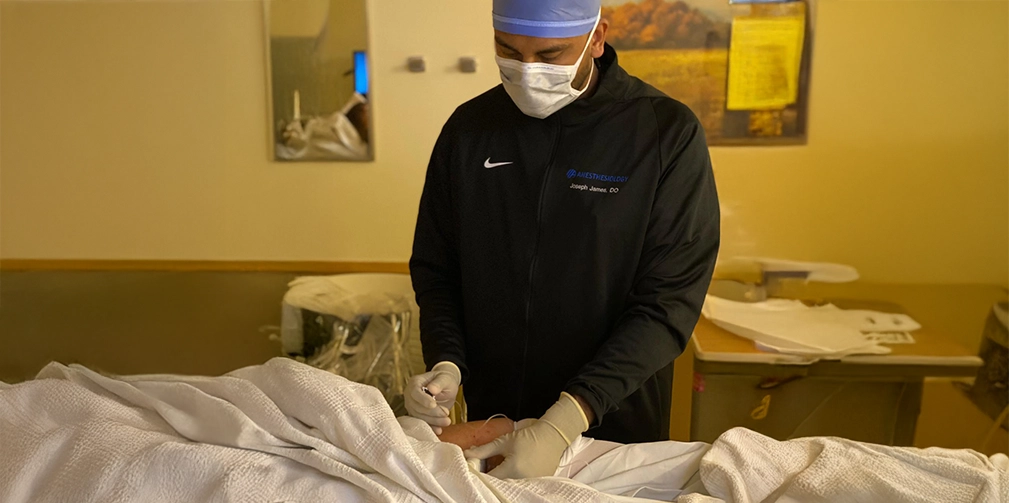
Talk to Us About Managing Your Vascular Pain!
Living with vascular conditions can feel overwhelming at times, but with the right care, symptoms can be managed effectively. Our team is dedicated to offering treatments that are both effective and patient-focused, helping individuals find lasting relief from vascular discomfort.
Call our clinic today to book your appointment!