
Specialized Nerve & Block Procedures
Pain that comes from irritated or overactive nerves is often stubborn and difficult to manage with general treatments. Specialized nerve & block procedures offer a focused approach by calming the nerves and stopping pain signals before they spread. These minimally invasive treatments are not only used to relieve discomfort but also to pinpoint the exact source of pain. At The Family Pain and Wellness, we treat our patients with advanced procedures that improve comfort, restore mobility, and support a more active way of life.
How Specialized Nerve & Block Procedures Work
These procedures involve the use of precise injections that deliver medication directly near specific nerves or nerve clusters. The goal is to reduce inflammation, numb the area, and interrupt pain signals.
Depending on the type of block, patients may experience relief that lasts for weeks or even months. For some, these injections are also used as a diagnostic tool to help identify the exact source of pain.
1. Cluneal Nerve Block
The cluneal nerves are small nerves that run across the lower back and buttock region. When these nerves become irritated or compressed, patients often experience lower back or hip pain that can be difficult to manage.
A cluneal nerve block involves placing medication near these nerves to reduce irritation and relieve discomfort. Many patients find this procedure helpful when traditional back pain treatments have not worked.
Request An Appointment
2. Ganglion Impar Block
Pain in the pelvic or rectal area can sometimes come from a nerve cluster known as the ganglion impar. This pain is often deep and hard to treat with general medication.
A ganglion impar block delivers medication to this cluster of nerves, helping to calm the signals that cause pelvic or tailbone pain. Patients with conditions such as chronic pelvic pain or tailbone pain often benefit from this procedure.
3. Sympathetic Block
The sympathetic nervous system controls many involuntary functions in the body, including blood flow and certain pain responses. In some cases, the sympathetic nerves become overly active, leading to ongoing pain in the arms, legs, or other areas.
A sympathetic block works by delivering medication near the sympathetic nerves, which helps to reduce pain, improve circulation, and restore comfort. Doctors often use this procedure for patients with complex regional pain syndrome (CRPS).
4. Selective Nerve Root Blocks
A selective nerve root block is used when pain comes from a single irritated nerve root, often in the spine. This procedure involves guiding medication directly to the affected nerve root, helping to relieve pain that travels into the arm or leg.
It is especially useful for patients with conditions such as herniated discs or spinal stenosis. Doctors also use selective nerve root blocks to confirm which nerve is causing the pain before planning more advanced treatments.
Any Questions About Specialized Nerve & Block Procedures?
Benefits of Specialized Nerve & Block Procedures
The following are the benefits of specialized nerve and block procedures:
- Targeted relief at the source of pain
- Minimally invasive approach
- Can reduce the need for long-term medication
- Often used as both a treatment and diagnostic tool
- Helps improve daily function and mobility
What People Say
~ Michael joseph
~ Yvonne Johnson
We highly recommend!
~ Vivian Kotora
Frequently Asked Questions
How Long Does Pain Relief Last After a Nerve Block?
Relief can vary from a few weeks to several months, depending on the type of block and the condition being treated.
Is a Cluneal Nerve Block Effective for Lower Back Pain?
Yes, many patients with nerve-related lower back or hip pain find significant relief after a cluneal nerve block.
What Conditions Are Treated with A Ganglion Impar Block?
This procedure is often recommended for chronic pelvic pain, rectal pain, and tailbone pain.
What Is the Difference Between a Selective Nerve Root Block and an Epidural Injection?
A selective nerve root block targets a specific nerve root, while an epidural injection covers a wider area of the spine.
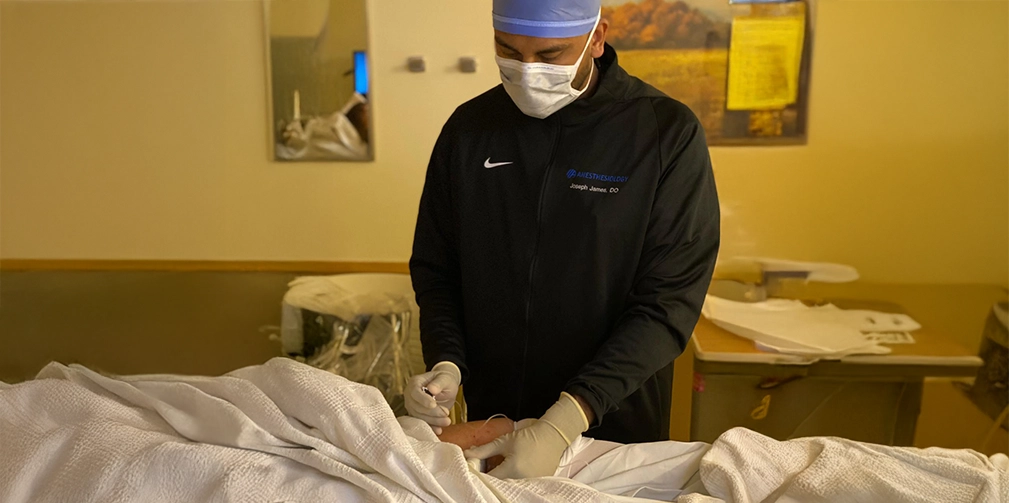
Consult Our Pain Management Expert for Compassionate Pain Care!
Our team at The Family Pain and Wellness helps patients find relief from long-lasting pain using advanced, safe procedures. By offering specialized nerve & block procedures in Belleville and New York, we aim to give patients options that go beyond temporary fixes.