
Neuropathic Pain
Neuropathic pain is a complex and chronic condition often caused by nerve damage. Unlike typical pain that signals an injury, neuropathic pain is the result of the nerves themselves misfiring and sending incorrect pain signals to your brain. It often presents as burning, stabbing, or shooting pain and can affect various parts of the body, from the hands and feet (often associated with diabetes) to the back, legs, and face. It is a condition that can significantly impact daily life. At The Family Pain and Wellness, our pain management doctors carefully diagnoses nerve pain and develops personalized care plans to help patients find relief and improve their quality of life.
Neuropathic Pain Conditions We Treat at Our Clinic
Neuropathic pain develops when the nervous system is not working properly. Injuries, surgeries, infections, or long-term conditions like diabetes and shingles may cause it. Some patients describe it as pins and needles, while others feel sudden shocks or stabbing pain.
Since the nerves send the incorrect signals to the brain, the resulting pain can persist for months or even years if not properly treated.
Our clinic provides compassionate and comprehensive care for various neuropathic pain disorders, including:
Request An Appointment
1. Complex Regional Pain Syndrome (CRPS)
Complex Regional Pain Syndrome, or CRPS, is a form of neuropathic pain that often develops after an injury, surgery, stroke, or heart attack. The key feature of CRPS is that the pain is much more severe than would be expected from the original injury.
It typically affects an arm, leg, hand, or foot. You might experience intense burning or throbbing pain, along with changes in skin color, temperature, and swelling in the affected area. Our team is experienced in managing the multifaceted symptoms of CRPS.
Our multidisciplinary approach may involve medication management, sympathetic nerve blocks, and physical therapy to help reduce pain and increase mobility and function.
Any Questions About Neuropathic Pain?
2. Nerve Pain
Nerve pain, or neuralgia, is a broad term for pain caused by irritation or damage to a nerve. This can happen for many reasons, including diabetes (diabetic neuropathy), shingles (postherpetic neuralgia), injuries, or infections.
Symptoms are often described as shooting, electric-shock-like sensations, tingling, numbness, or a feeling of pins and needles. Since nerve pain often does not respond to standard pain relievers, it requires a specialized approach.
We offer a range of treatments designed to calm the overactive nerves, including nerve-specific medications, targeted injections, and innovative therapies to restore comfort and function.
What People Say
~ Michael joseph
~ Yvonne Johnson
We highly recommend!
~ Vivian Kotora
Frequently Asked Questions
What Is the Main Difference Between Neuropathic Pain and Other Types of Pain?
Nociceptive pain is the body’s normal response to tissue injury, like from a cut or sprain. In contrast, neuropathic pain arises from damage to the nervous system, causing faulty pain signals even without ongoing tissue damage.
Are The Treatments for Neuropathic Pain the Same as for Regular Pain?
Over-the-counter pain medications are generally ineffective for neuropathic pain. Treatment typically involves antidepressants or anticonvulsants to calm nerve signaling, along with options like physical therapy, nerve blocks, and spinal cord stimulation.
Can Neuropathic Pain Be Cured?
In many cases, neuropathic pain cannot be completely cured, but it can be effectively managed. Our focus is on reducing pain intensity and improving function, and quality of life. With the right diagnosis and a tailored treatment, many patients experience lasting relief.
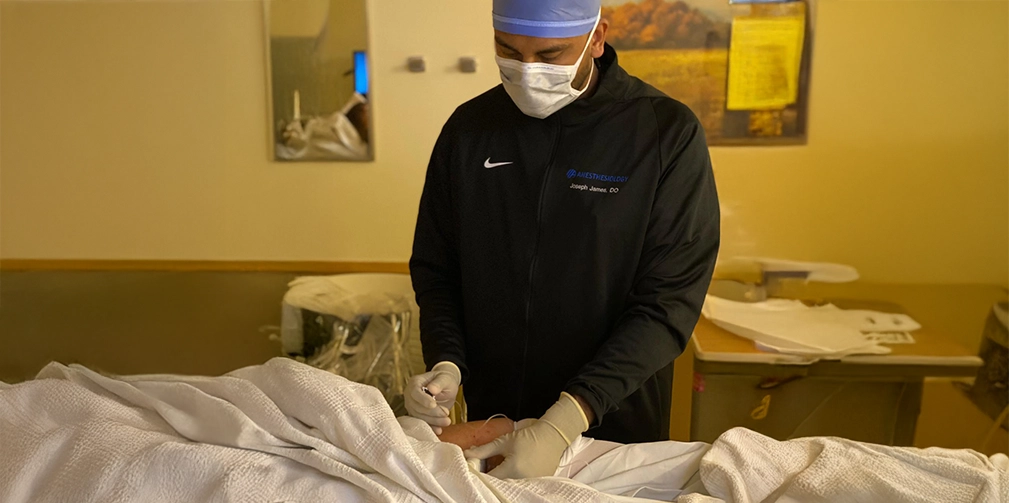
Find Relief from Neuropathic Pain!
Living with continuous nerve pain can feel overwhelming, but you do not have to face it alone. At The Family Pain and Wellness, we treat the whole person, not just the symptom.
Our goal is to help you understand your condition and provide you with the treatments needed to manage your pain effectively. If you recognize any of these symptoms in yourself or a loved one, reaching out to our caring team is a positive step toward a more comfortable and active life.